CRD Distillate with Terpenes
Our Broad Spectrum Crystal Resistant CBD Distillate blended with Terpenes is a premium, ready-to-use formulation crafted for maximum versatility and performance. Whether you’re formulating vape cartridges, edibles, or tinctures, this pre-blended distillate delivers the calming benefits of CBD enhanced by strain-specific terpene profiles, no mixing or guesswork required.
Each small-batch blend is carefully curated for authentic flavor, aroma, and effect, without the high. You get all the synergy of the entourage effect, without any THC.
Available Strain Blends:
Blue Dream: Uplifting & Balanced
A sativa-leaning classic known for its smooth blueberry aroma and creative, clear-headed effects. Ideal for daytime use or when you need to stay focused and relaxed.
Green Crack: Bright & Energizing
A citrus-forward profile that helps you feel motivated, refreshed, and mentally alert. Perfect for morning routines, busy days, or mood support without the crash.
White Grape: Smooth & Calming
Sweet and mellow with a subtle grape finish, this indica-leaning blend is designed for winding down, easing stress, and enhancing nighttime rituals.
Peaches & Cream: Sweet & Comforting
Peaches & Cream brings a smooth, fruity sweetness to CBD’s soothing profile, enhancing its calming effects with a dessert-like finish. This blend is ideal for users seeking flavor-rich relaxation.
Tropicana Cookies: Bright & Refreshing
Tropicana Cookies combines citrus and cookie notes for an uplifting and mood-boosting experience. Paired with CBD, it promotes clarity and a refreshing burst of daytime energy.
Fruit Punch: Vibrant & Sweet
Fruit Punch delivers a burst of tropical sweetness with notes of berry and citrus, amplifying CBD’s feel-good effects. It’s a perfect blend for daytime wellness or anytime positivity.
Strawberry: Classic & Soothing
Strawberry terpenes add a familiar, juicy sweetness to CBD’s relaxing properties. A great choice for users seeking gentle flavor and balanced calm.
Delta 9 Distillate
Delta 9 Distillate is a chemical in cannabis and hemp plants. It can have an intoxicating effect and may cause some side effects.
Cannabis and hemp plants consist of dozens of cannabinoids. Cannabinoids are chemicals that affect the body in various ways. Two well-known cannabinoids are cannabidiol (CBD) and tetrahydrocannabinol (THC).
A few different forms of THC are in cannabis plants. The most abundant form of THC is delta-9. When people refer to the effects of THC, they’re usually talking about delta-9.
Other forms of THC, such as delta-8 and delta-10, have similar chemical structures to delta-9, but their effects are usually different.
The chemical formula of delta-9 is C₂₁H₃₀O₂. This is the same as delta-8, except that one of the carbon-carbon double bonds is in a different position.
carefully chosen selection of hemp-derived Delta 9 (also known as D9, Δ9, or THC) products that are 100% compliant. We have a wide variety of Delta 9 THC products available, such as tinctures and edibles that are created using only the best hemp. You can easily find the brands you love and are familiar with, and you can confidently test new ones. Searching for something new? Check out our fantastic selection of cannabis products!
Delta 9 THC Products
At Vivimu, we provide a wide range of Delta 9 THC products to meet your needs. From gummies to distillates, our range ensures you have access to the best hemp-derived Delta 9 on the market. Our Delta 9 THC products are crafted with quality and purity in mind, giving you a reliable and enjoyable experience every time.
Delta 9 THC: What is it?
So, what exactly is Delta 9 THC? Delta 9 THC is one of the numerous cannabinoids present in the hemp, or cannabis, plant. It interacts with the endocannabinoid system and is widely popular all over the world for its psychoactive effects. Due to its reputation for producing a euphoric “high,” delta 9 THC is arguably the most well-known tetrahydrocannabinol in the cannabis plant. Similar to how other cannabinoids such as Delta 8 THC, Delta 10 THC, and HHC interact with the nervous system, delta 9 THC frequently produces an uplifted and euphoric experience with possible increases in focus and energy.
Perks and Potential Effects of Delta 9 THC
While we can’t make health claims about Delta 9 THC products, we can share that many users seek these products for a variety of reasons. The potential effects of Delta 9 THC can vary based on dosage and individual tolerance, but it is commonly associated with relaxation support, laughter, munchies, and many other effects that you probably have seen on TV. It’s important to use Delta 9 products responsibly and be aware of their robust effects.
Delta 9 THC vs. Delta 8 THC
Although both Delta 9 and Delta 8 THC are cannabinoids that are present in cannabis plants, their molecular makeup and possible biological effects differ. Strong psychoactive effects and a stronger high are characteristics of delta-9 THC. In contrast, Delta 8 THC offers a milder high, making it a potentially more appealing option for you if you are seeking a less intense experience. The choice between Delta 9 THC and Delta 8 THC ultimately depends on your personal preferences and the type of experience you desire. Making an informed choice about which cannabinoid is best for you requires an understanding of these distinctions.
Delta 9 THC vs. CBD
While both delta 9 THC and CBD (cannabidiol) are derived from the cannabis plant, their possible effects differ. While CBD is non-psychoactive and is frequently sought after for its possible effects, delta 9 THC is psychoactive, meaning it produces a high. While both cannabinoids can be used individually, combining them may offer a balanced experience for some users. It is important to keep in mind that Delta 9 THC and CBD affect the body’s endocannabinoid system in different ways. It is necessary for you to comprehend these distinctions in order to make wise decisions regarding their application.
Why is Vivimu the Best Place to Buy Delta 9 Products Online?
Vivimu stands out in the market for several reasons. Our Delta-9 THC products are pure and of the highest caliber, so you can always expect a premium experience. A Certificate of Analysis (COA), which encourages transparency and trust, is included with every product. When you buy Delta 9 products from us, you can be sure that you are getting the best. Whether you’re looking for Delta 9 for sale or want to buy Delta 9 THC online, Vivimu is your go-to source. Shop Delta 9 online with confidence, knowing that our Delta-9 THC products meet the highest standards of quality and efficacy.
Various Types of Delta 9 Products:
Delta 9 Isolate
Delta 9 THCv Isolate is a pure form of Delta 9 THC, extracted to ensure maximum potency. This product is ideal for those who want to experience Delta 9 THC in its most concentrated form, providing a powerful and unadulterated experience. With Delta 9 Isolate, you can enjoy the effects of Delta 9 THC without any other cannabinoids or compounds present.
Delta 9 Gummies
Our Delta 9 Gummies are a satisfying and convenient way to enjoy Delta 9 THC. They come in various profiles, making your Delta 9 experience both delectable and enjoyable. Each gummy is precisely dosed, ensuring consistent potential effects and making it easy to control your intake. Well, if gummies are your first choice, we have other Delta 9 edibles to choose from, too.
Delta 9 Distillate
From dabbing to vaping, Delta 9 Distillate is a flexible product with many applications. It offers a potent dose of Delta 9 THC for those who want a more intense experience, delivering a concentrated form of the cannabinoid. Whether you’re looking to add it to your favorite vape device or use it in other creative ways, Delta 9 Distillate provides flexibility and strength. At Vivimu, we currently offer you the choice of Delta 9 THCb distillate, Delta 9 THCh distillate, and Delta 9 THCp distillate.
Delta 9 THC – Frequently Asked Questions
Is Delta 9 Legal?
Yes, hemp-derived Delta 9 THC is allowed under the 2018 Farm Bill as long as the THC content is less than 0.3% by dry weight.
Can You Get High on Delta 9?
Absolutely. Delta 9 THC is psychoactive and capable of giving you a high.
How Much Time Does Delta 9 Take to Start Working?
Delta 9 THC can have different onset times. While edibles like vaping can have an impact within minutes, inhaled forms like edibles can take up to two hours to manifest.
What Potential Negative Effects Could Delta 9 Have?
Possible side effects include red eyes and other potential effects that would be classified as a “bad trip.”. It is crucial to increase the dosage gradually after starting at a low level.
Can I purchase Delta 9 online?
Yes, trustworthy retailers like us at Vivimu offer Delta 9 products for sale online!
Does Delta 9 cause a positive drug test result for THC?
Yes, a positive test for THC can be obtained from delta 9 THC. We strongly advise against using Delta 9 products in the event of an impending drug test. If you have used Delta 9 give yourself the proper amount of time to let yourself get rid of it from your system.
How to Use Delta 9 Products?
There are several applications for Delta 9 products, such as tinctures, edibles, and vaping. Always follow the recommended dosage instructions.
How Do You Dose Delta 9?
Dosing Delta 9 THC depends on the product and individual tolerance. To determine the right dosage, start small and increase it gradually.
How does delta 8 and delta 9 THC differ from one another?
As a result of its greater potency and psychoactivity in comparison to Delta 8 THC, Delta 9 THC produces a stronger high.
How much time does Delta 9 THC take to become effective?
The mode of use determines how long Delta 9 THC takes to start working. In contrast to edibles, inhalation techniques operate more rapidly.
What age is required to purchase a Delta 9?
Although this can vary by location, the minimum age to purchase Delta 9 THC products is normally 21 years old. Nonetheless, all of our clients must be at least 21 years old to use Vivimu services.
DISCLAIMER
We take pride in our swift shipping, ensuring your order arrives at your doorstep with next-day or two-day delivery options. These faster shipping options enable our customers to enjoy the benefits sooner.
The legal age requirement for purchase and use is 21 years or older. Do not operate machinery or drive a motor vehicle after consuming. If you are pregnant or nursing, do not use it without consulting a doctor. If you have respiratory health challenges, heart conditions, or other concerns, do not use it without consulting a doctor.
These products are not intended to diagnose, treat, cure, or prevent any disease. They should not be used if you are pregnant or nursing. No statements on this website are offering medical advice.
If you’re someone who enjoys creating your own cannabis-infused products, you’re going to want to hear about BC Weed Edible‘s Bulk D9 Distillate. Not only is it lab tested for purity, but it’s also available at the cheapest price in Canada. That alone is enough reason to consider purchasing from BC Weed Edible, but it gets even better. You can choose the phenotype that best suits your needs, giving you complete control over the final product. Whether you’re looking to create potent vape cartridges or tasty edibles, Bulk D9 Distillate from BC Weed Edible is an excellent choice. With its high quality and affordable price, you won’t find a better option for your cannabis-infused creations.
What is D9 Distillate?
Delta-9 THC distillate is a type of cannabis concentrate that contains high levels of Delta-9 THC. Delta-9 THC is the active ingredient in cannabis that produces the psychoactive effects. Delta-9 THC distillate is typically made by extracting Delta-9 THC from cannabis flowers (weed) using a ethanol. The extraction process removes all other plant material, leaving behind a pure concentrate that contains only Delta-9 THC and no other cannabinoids or terpenes.
Delta-9 THC distillates are typically very potent, with some products containing 90%+ Delta-9 THC.
How to use D9 Distillate?
There are also several ways of consuming THC distillates including vaporizing, topping off your joint or bowl to smoke it, sublingually, or even as a suppository. It can also be used to make anything edibles, due to the THC being activated (decarboxylation). Our distillate is unflavoured; however, you can add cannabis terpenes to them. You can vape the product by adding it to a cartridge. This type of cannabis is extremely versatile and can be easily incorporated into any form in which the user feels most comfortable consuming it.
We use this distillate in all our edibles, so you can be sure that you get high-quality Distillate. Even though distillate is supposed to be neutral we re-introduce natural terpenes to it. It allows you to get the Sativa, Indica or Hybrid effects your are seeking.
The majority of research on THC specifically looks at delta-9, so it’s the most well-studied and well-known form of THC.
THC is the cannabinoid responsible for making people experience an intoxicating effect when they consume cannabis.
The most abundant form of THC is delta-9, which has an intoxicating effect. In other words, delta-9 is what makes you feel high.
After consuming cannabis, you might experience the following positive short-term effects:
- altered perception of time and events
- giddiness
- increased focus
- relaxation
However, THC can also have some side effects, including:
- anxiety
- difficulty thinking and speaking
- dry mouth
- increased appetite
- memory loss
- rapid heart rate
- red eyes
- slowed reaction times
Like CBD, people have associated delta-9 THC with a number of potential medical benefits.
Most people can tolerate delta-9 THC well, but it’s important to be aware of the risks and potential side effects.
THC triggers your brain to release large amounts of dopamine, a “feel good” chemical. This is why being high feels so pleasant to many people.
But this dopamine release comes with a risk. Between 9% and 30%Trusted Source of people who use cannabis may develop cannabis use disorder.
It’s possible to experience cannabis withdrawal symptoms if you go from using cannabis regularly to stopping use.
Yes — delta-9 THC has been associated with a wide range of potential medical benefits.
According to 2021 researchTrusted Source, THC might be able to treat:
- anxiety
- glaucoma
- insomnia
- low appetite
- muscle spasticity
- obstructive sleep apnea
- nausea
- pain
The Food and Drug Administration approved some medications containing THC to treat medical conditions. For example, experts use a synthetic form of delta-9 THC to create dronabinolTrusted Source (Marinol), which they use to stimulate appetite in people with HIV, people undergoing chemotherapy, and people with anorexia.
Yes. THC, including delta-9 THC, can have side effects.
Many of the common side effects of THC are temporary. These side effects can include:
- anxiety
- dry mouth
- increased appetite and heart rate
- memory loss
- red eyes
- slowed reaction times
Lastly, although there have been no recorded deaths from cannabis overdosing, it’s definitely possible to overdo it and misuse cannabis. Using too much cannabis might make you feel anxious, confused, or dizzy. To avoid an unpleasant experience, pace yourself.
In rarer cases, high dosages of cannabis can also cause:
- hallucinations
- paranoia and panic attacks
- nausea and vomiting
Usually, negative experiences with cannabis go away as you come down from the high. If you’re experiencing a bad high, try to relax and hydrate. Remember that the effects are temporary.
If possible, consider discussing THC with a doctor or another healthcare professional before trying it for yourself, especially if you’re hoping to use it to treat a medical condition. Look for a knowledgeable cannabis-friendly doctor.
Beyond the above-mentioned side effects, there are some risks of delta-9.
If you consume cannabis by smoking, remember that smoking anything — including cannabis — can affect your lungs and throat. Some 2018 research suggested that smoking cannabis can cause bronchitis, and it might increase your chances of developing chronic obstructive pulmonary disease.
Early cannabis use might also affect brain development. Some research from 2014Trusted Source suggested that cannabis can affect your brain development if you use it in adolescence.
ResearchersTrusted Source found that people who started using cannabis in their teens were more likely to experience memory and learning difficulties, but it’s unclear whether these effects are permanent.
Naturally-occurring delta-9 is different from the synthetic product called delta-9 THC-O acetate, which is an oily brown residue sold as a vaping product or used in gummies. Research is limited on the strength and risks of this chemical.
The National Poison Control Center has issued a statement recommending caution for those who manufacture or use delta-9 THC acetate.
Delta-9 THC isn’t federally legal in the United States. However, each state has its own laws.
In some states, cannabis and cannabis derivatives like delta-9 THC are only legal for medical use, while in others, it’s legal for recreational use.
Cannabis laws are constantly changing. You can find out about your state’s current cannabis laws by looking at Norml’s helpful map.
The FDA does not regulate delta-9 THC products. It’s important to research a company or vendor before purchasing their products.
When it comes to buying THC products, it’s best to purchase from reputable companies. It’s safer to buy products tested by a third-party lab. You should be able to read these lab reports on the company’s website.
Of course, if you’re purchasing cannabis from a local grower, they might not be able to have their products lab-tested. This doesn’t necessarily mean that their cannabis is bad.
You can ascertain quality by:
- inquiring how their products are grown
- asking them which product to choose for your desired effects (e.g. relaxation, productivity, sleep)
- talking with their other customers — getting a recommendation is always a good idea
If you’re not used to using cannabis, it’s safer to start with a low dosage. Because of this, it’s best to go with a product that is not very high in THC. Usually, 1 to 2 milligrams is a good starting point. You can gradually increase your dosage if needed.
If you have a lung condition, or if smoking irritates your chest and throat, it might be best to avoid smoking cannabis and instead opt for THC-infused edibles or tinctures. Bear in mind that cannabis edibles take longer to kick in than smoked cannabis.
Is delta-9 the same as THC or CBD?
Delta-9 is a form of THC. It’s not the same as CBD.
While delta-9 is intoxicating, CBD is not.
What’s the difference between delta-9 and delta-8?
Chemically, delta-9 and delta-8 are very similar. They share a chemical formula, which is C₂₁H₃₀O₂. The difference between delta-8 and delta-9 is that one of the carbon-carbon double bonds is in a different location.
In terms of bodily effects, both delta-9 and delta-8 are intoxicating. However, delta-8 seems to be less potent than delta-9, according to anecdotal accounts. Some people claim that they have fewer side effects with delta-8 compared with delta-9, according to this 2022 studyTrusted Source.
D8-THC does not naturally occur in large amounts in the cannabis plant like D9-THC and many of the D8 products on the market are synthetic and may carry additional safety concerns.
Experts need more research to determine the exact differences between the effects of delta-9 and the effects of delta-8.
Is delta-9 safe?
You can safely consume delta-9. But it has some potential risks and side effects.
Common short-term side effects of delta-9 THC include:
- anxiety
- dry mouth
- increased appetite and heart rate
- memory loss
- red eyes
- slowed reaction times
Rarer short-term effects of cannabis can include:
- hallucinations
- paranoia and panic attacks
- nausea and vomiting
If you smoke delta-9 THC — that is, if you smoke cannabis — it can irritate your respiratory system. Smoking cannabis has been linked to bronchitis and COPD.
If you want to use delta-9 THC products for medical reasons, it’s best to speak with a cannabis-friendly clinician before using it yourself.
Is delta-9 legal?
In the U.S., delta-9 THC products are legal in some states and illegal in others.
In some states, cannabis is legal for medical purposes, and in others, it’s legal for recreational purposes. Take a look at Norml’s map of cannabis laws to learn more about your state’s policies on cannabis use.
Can delta-9 get you high?
Yes! In fact, delta-9 is the most abundant form of THC in cannabis plants. THC is the chemical that makes cannabis intoxicating.
Delta-9 THC is the most common and well-studied form of THC. It’s an intoxicating chemical that people can use for medical purposes.
As always, it’s important to exercise caution when using cannabis products. Only buy cannabis from reputable vendors, and avoid taking too much at once.
Premium THC Distillate
Buy highly purified THC distillate online across the UK and Europe.
THC distillate is a very potent type of cannabis extract that contains a high concentration of THC. Both versatile and discreet, this guide will cover everything you need to know about THC distillate.
WHAT IS THC DISTILLATE?
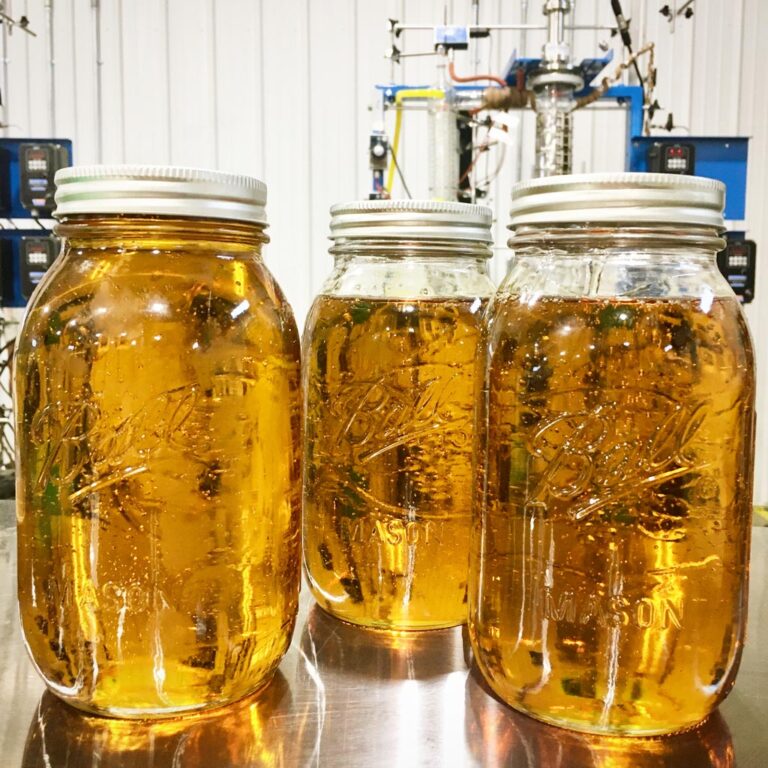
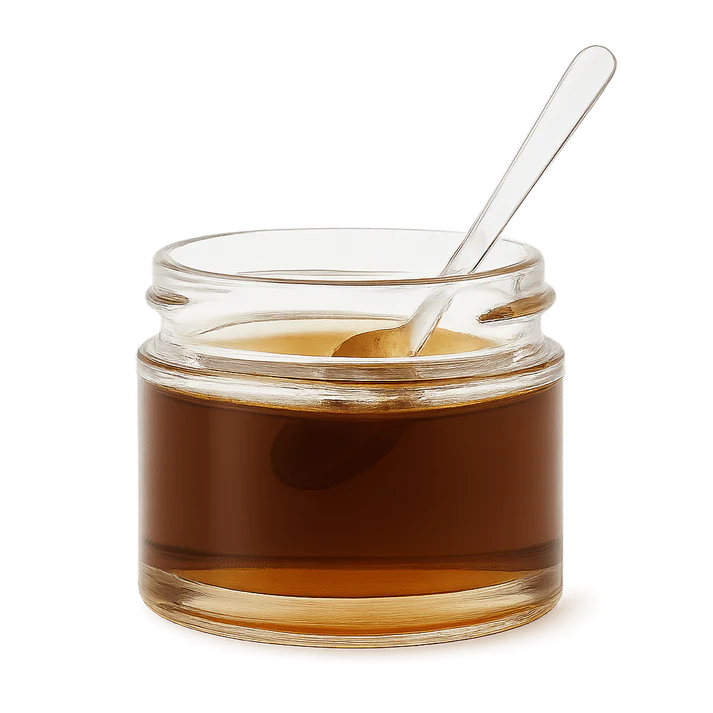
THC distillate, laso calledliquid gold, is a highly refined form of cannabis extract that contains a very high concentration of THC. Unlike other extracts, cannabis distillate is purified to remove all the plant compounds, including terpeness, flavonoids, andother cannabinoids, leavingonly THC behind. Theprocessresultsinaclear,odorles,flavorless,andthickgolden–amber–coloredproduct thatcanbeused invariousways.1 Weoffer awideselectionofDelta 10 THC productsthatcatertoeverypreference,fromgummies andvapestotincturesandmore. THC-P distillateis an incrediblyversatileproduct, popular among bothpersonal consumers and manufacturers. Distillate oil contains 80–90% CBD in addition to other beneficial cannabinoids such as CBG, CBN, CBC, and other terpenes, without the chlorophyll. Ideal for vape products, tinctures, and edibles, Buy THCP Products Online from our lab. Weoffer high–potencyandlab–tested THCPProductsatthebest price. OrderNowandgetfastshipping!Solventlesshash rosintakes ice-waterhash and squishes it betweenheat andpressure to obtain a concentrated extract. The result? A flavorfuland potent rosin